Building on a 40-Year Legacy of Development Expertise
January 6, 2026
It has been about 40 years since Caterpillar started our autonomy development journey. That’s 40 years of big ideas. Decades of engineering breakthroughs. And multiple collaborations with customers and other autonomy leaders.
In 2013, we launched our first commercial autonomous hauling solution for the mining industry, and we never looked back. Today, that legacy of expertise has delivered autonomy solutions for multiple types of Cat® machines working in a variety of industries and applications, and our portfolio continues to grow.
The History of Cat® Autonomy Development
Our autonomy development journey began in the mid-1980s, when our engineers started working with Global Positioning Systems (GPS). Later in the 1980s, we began working alongside Carnegie Mellon University, a leader in the development of automation, and around 1989 tested our first autonomous trucks at the Phoenix, Arizona, Proving Ground (APG). We had two prototype Cat autonomous trucks running in a Texas quarry in the early 1990s, and we showcased that prototype at the world’s largest mining exposition in 1996 — nearly 30 years ago.
In the late 1990s and early 2000s, about 40 different engineering projects were in the works at Caterpillar to create the various elements that would be required for the commercial launch of autonomous haulage for the mining industry. We knew autonomy was the future, and we wanted to position ourselves to lead the way. So, we kept making the investment — developing, perfecting and launching the individual technologies that would make it possible.
That commitment allowed us to be ready in 2007, when a number of significant technological advancements and industry trends combined to bring autonomy to the forefront.
That’s the year we partnered with Carnegie Mellon to outfit a Chevy Tahoe SUV that won the Defense Advanced Researched Projects Agency (DARPA) Urban Challenge — an autonomous vehicle challenge involving simulated military supply missions, as well as traffic navigation and obstacle avoidance.
It’s also the time when our customers began to realize the benefits autonomy could deliver — like addressing labor challenges, reducing safety risks, making it possible to work more accurately and efficiently, and lowering operational costs.
By early 2008, we launched an official program, developing our solution in collaboration with some of our largest mining customers. We began piloting the operation of autonomous trucks on one of their mine sites in 2011. During this time, we also invested heavily in testing and validation to ensure the technologies and systems were ready and reliable.
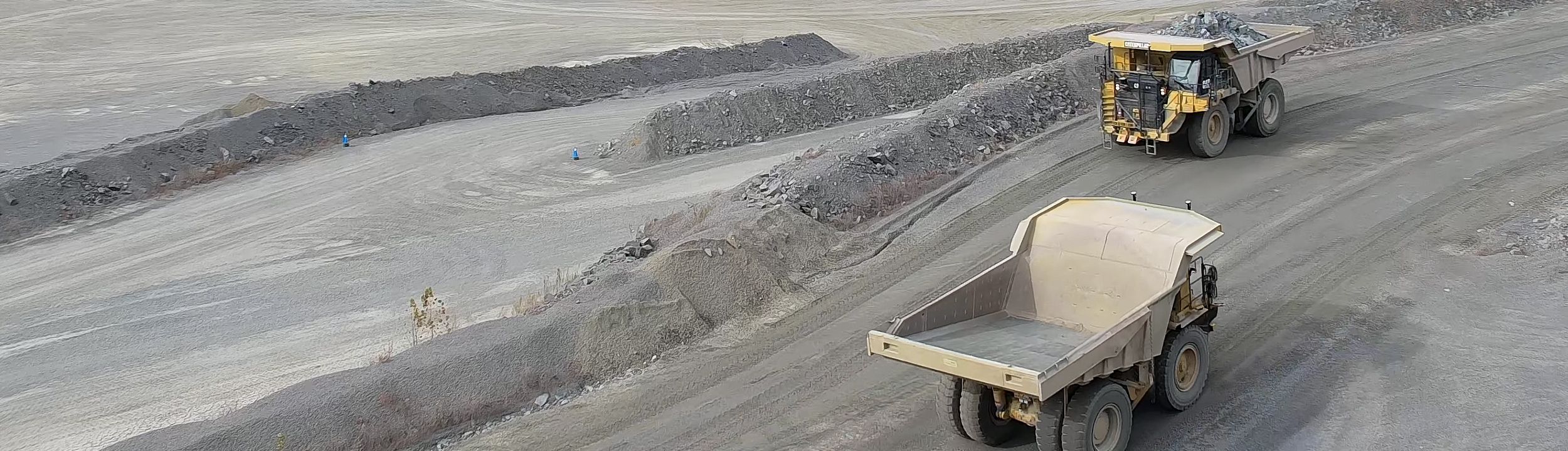
In 2013, the first eight autonomous Cat 793F trucks went to work in Western Australia. And the results were impressive, with the site eventually reporting a productivity increase of 20%. And even more impressive were the safety results. Those autonomous trucks were operating around the clock without a single reported injury.
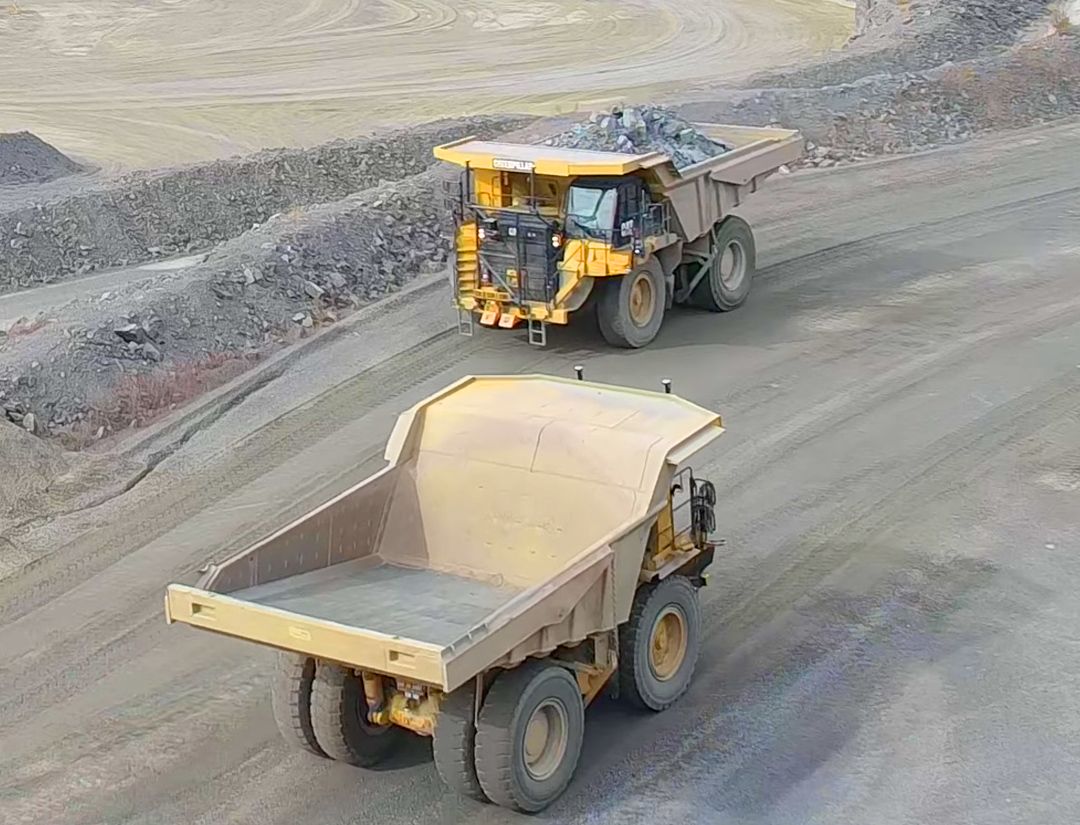
Today, more than a decade later, more than 820 Cat autonomous trucks are in operation around the world. Together they have hauled over 11 billion tonnes of material with no reported injuries.
Levels of Autonomy
Our autonomous haulage system for mining was a significant undertaking and a big success story for Caterpillar. But that was just the beginning. We’ve used our decades of expertise to create autonomy solutions for a variety of Cat machines operating in many different applications.
Not all Cat autonomy solutions are as comprehensive as our fully autonomous haulage system. Our offerings range from onboard solutions that automate individual tasks to remote control technologies that take operators off the machine to enhance safety and solutions that allow operators to run multiple machines at once.
Operator Assist
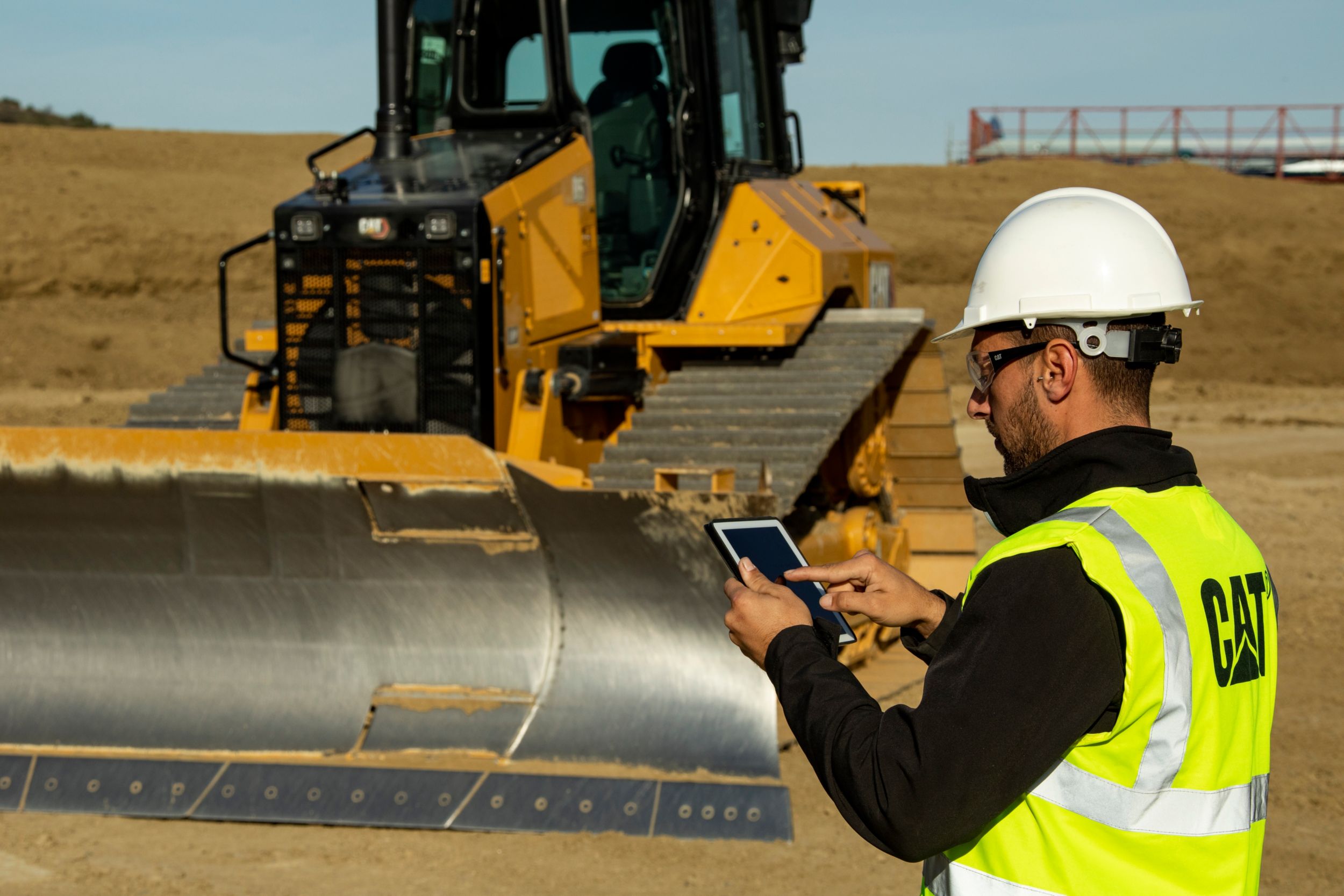
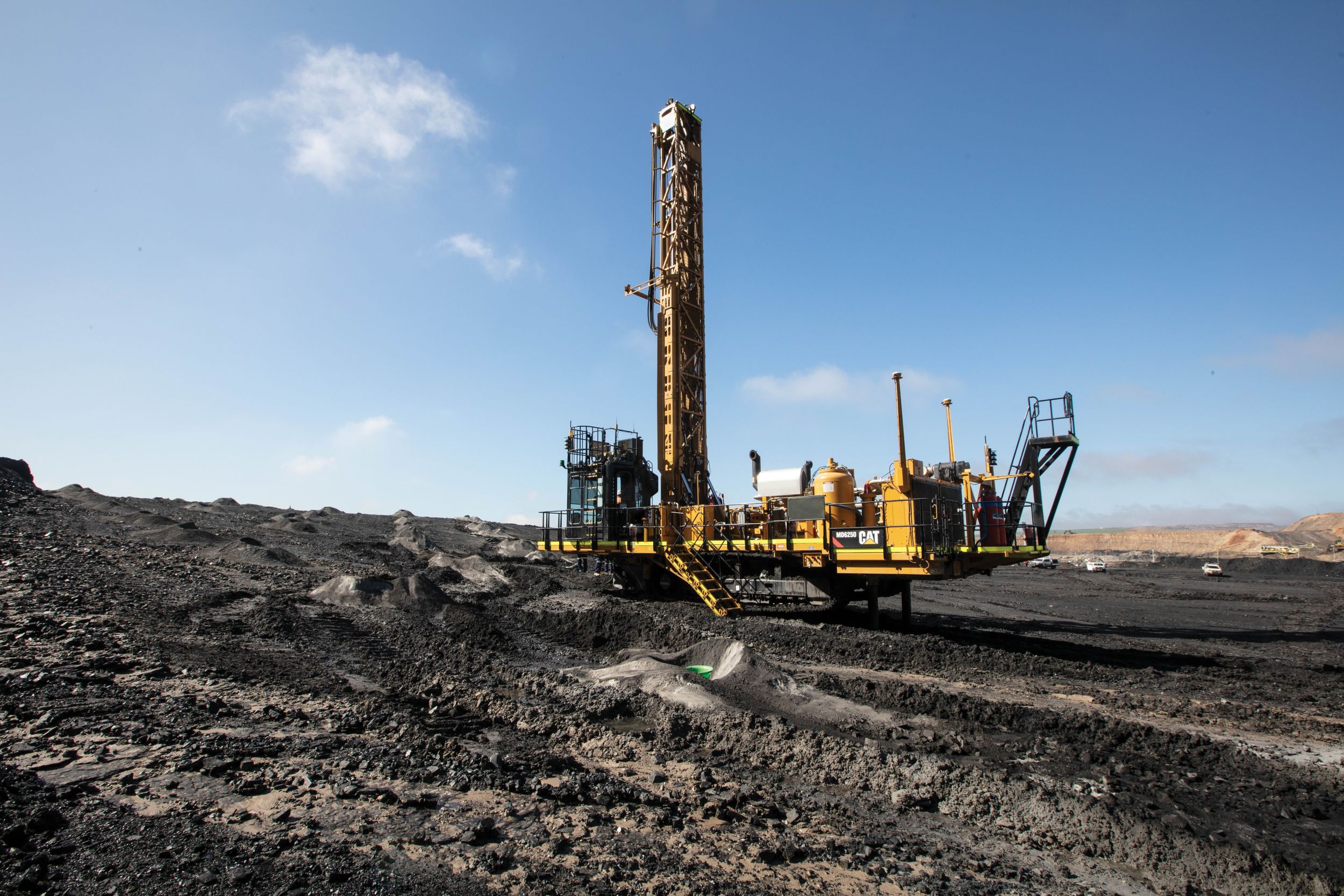
Operator Assist solutions are the foundational level of autonomy. These in-cab technologies help operators drill, dig, load, and grade with more confidence, speed, and accuracy. Operator Assist solutions automate individual machine functions, such as automatically adjusting blade lift on dozers to reduce operator fatigue and improve consistency or automatically raising and lowering the mast on rotary drills to enhance efficiency.
Remote Control
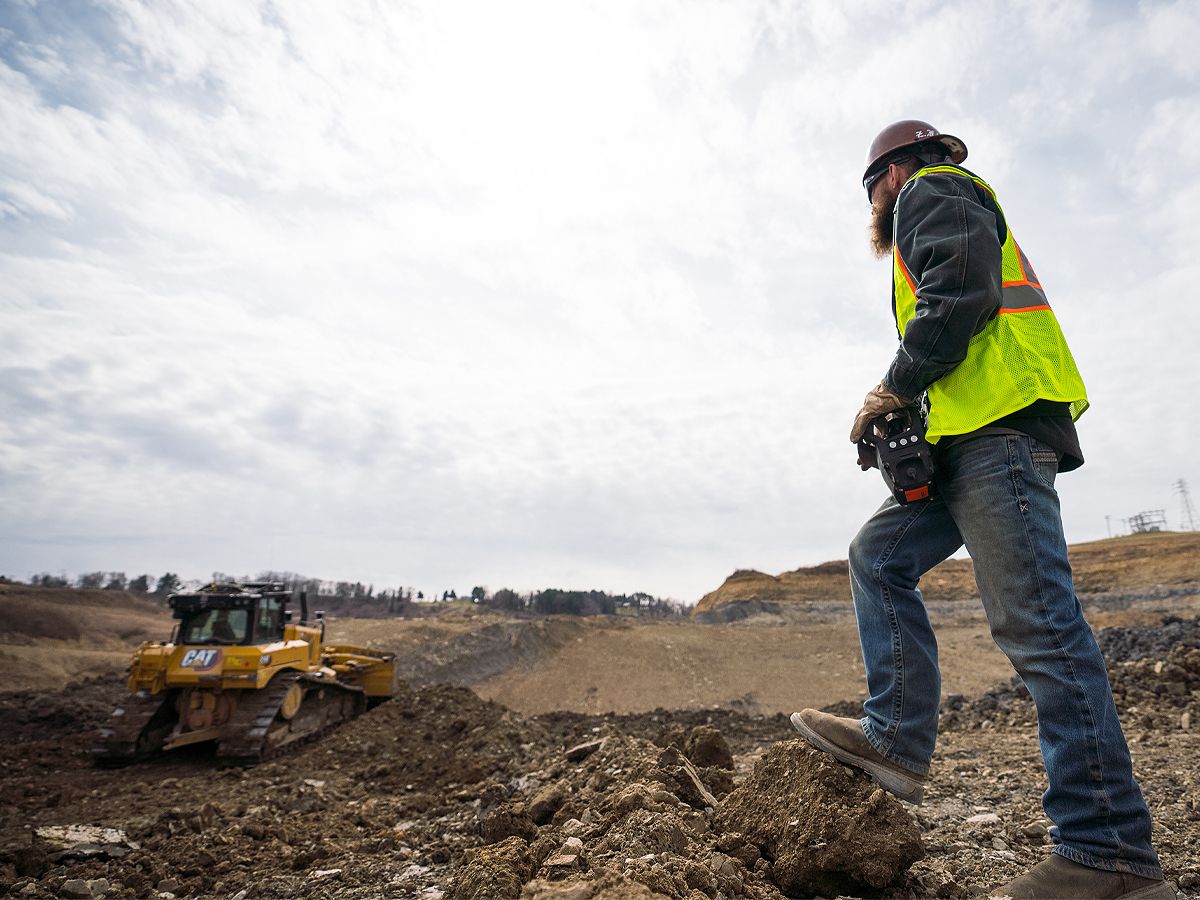
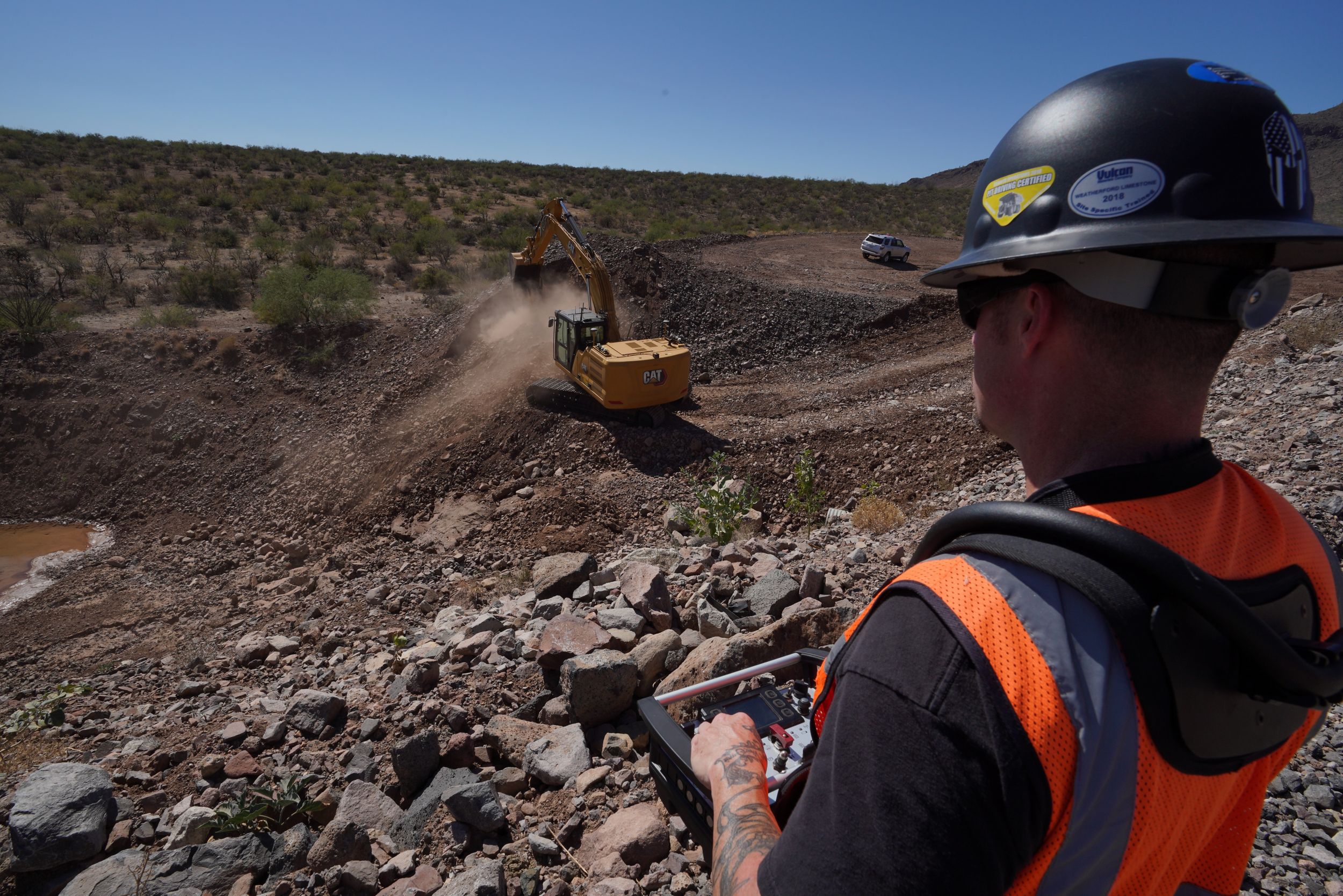
Many of our autonomy solutions enable remote control operations. Line-of-sight remote control solutions allow the user to work safely and comfortably outside the machine, while remaining onsite and in direct visual contact. Non-line-of-sight solutions allow operators to be in remote operator stations that replicate the machine cab and controls to give equipment operators remote control of single or multiple machines. Cat consoles and remote stations are fully integrated with the machines’ electronic and hydraulic systems.
Semi-Autonomy
Semi-autonomous capabilities automate machine processes based on input from operators located either in the cab or in remote stations. For example, operators in Cat vibratory soil compactors can automate the complete compaction process from the cab, while semi-autonomous capabilities for Cat underground loaders allow operators in remote stations to automate the tramming and dump cycle for multiple machines. Semi-autonomy is often the first step toward full autonomy.
Advanced Autonomy
Full autonomy solutions deliver complete automation for surface and underground mining operations — fully autonomous surface haulage, autonomous drilling and automated underground load, haul and dump operation.
Current Offerings
The following machines offer varying levels of automation, ranging from operator assist to full autonomy.
- Rotary Drills
- Dozers
- Excavators
- Skid Steer and Compact Track Loaders
- Wheel Loaders
- Vibratory Soil Compactors
- Trucks
- Underground Loaders
-
Autonomy
Our autonomous solutions enable machines to operate independently or be controlled remotely — reducing risks for people, improving efficiency and helping customers work more productively.
Learn More -
Strategy
Our strategy for long-term success for profitably growing sales volume centers on gaining a deeper understanding of customers through commercial excellence, being a leader in advanced technology and transforming how we work.
Explore our Strategy