A Conversation with Our Chief Sustainability & Strategy Officer
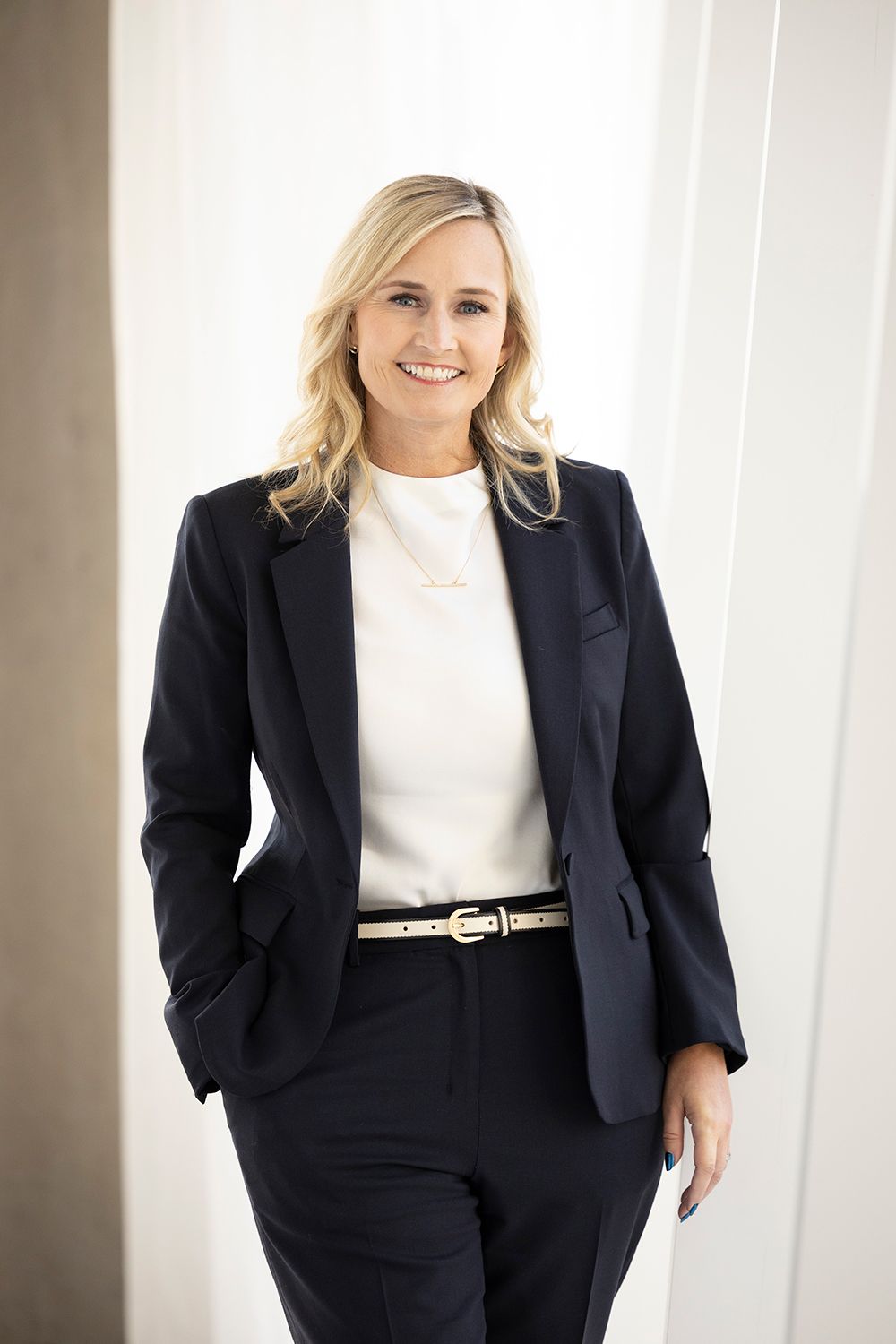
A discussion with Caterpillar’s Chief Sustainability and Strategy Officer, Ebban Clause.
As the new Chief Sustainability and Strategy Officer, please tell us more about yourself, your background and your connection to sustainability.
My career at Caterpillar has taken me through various commercial roles, all the while learning a great deal about the industries we serve and how our business enables the success of our customers. Sustainability has always been woven into the value we provide by focusing on how Caterpillar solutions help customers improve efficiency, extend asset life and support their sustainability objectives.
As I move forward in this role our focus will continue to be deeply understanding our customers so that we can work to solve their toughest challenges.
What are some of the tangible ways Caterpillar helps customers meet their sustainability objectives?
We know every customer is different, so our starting point is always a discussion to understand what success looks like to them. Their goals may be to use less fuel, extend machine life, lower maintenance and operating costs or reduce emissions, among others.
Once we understand the customer’s priorities, we can tailor a solution that meets their goals.
That solution might be leveraging a hybrid diesel-electric machine or battery electric machine, rebuilding their existing fleet or using alternative fuels such as biodiesel, renewable diesel (HVO) or hydrogen blends in their genset, to name a few examples. The common thread is helping customers make tangible, practical progress toward their goals.
Can you tell us more about how Caterpillar is developing technology solutions to help customers operate more efficiently, use less fuel and maximize asset utilization?
Technology is one of the most powerful tools to help our customers improve their operations and drive advancements in productivity, fuel efficiency and jobsite safety.
For customers with connected assets, the VisionLink™ app delivers visibility into machine health and fuel consumption, enabling more informed customer decisions around maintenance and fleet management. Reducing fuel consumption and increasing efficiency leads to lower greenhouse gas emissions in customer operations, supporting both their operations and sustainability objectives.
As another example, analysts at our Fleet Monitoring Centers can look at information being sent back from connected assets and can spot indicators as subtle as slight changes in oil pressure. Along with other data, small changes like that can signal a developing engine problem. When those conditions are identified, we work with customers to act early, helping to prevent failures, extend component life and avoid unplanned downtime.
Caterpillar has been developing autonomy solutions for decades. In mining, autonomous hauling can drive productivity improvements of 20% or more by running equipment with greater consistency. Our machines have hauled more than 11 billion tonnes of material autonomously with no reported injuries.
But not everyone needs full autonomy, and there are significant gains in safety and productivity our customers can achieve from other technology solutions. For example, we have operator assist technologies, which are in-cab solutions that help customers drill, dig, load and grade with more confidence, speed and accuracy. One example of the efficiency that can be gained is time. In one test with an excavator finishing a grade project, the use of 3D grade control took the project completion time from approximately 35 minutes to 15 minutes.
Ultimately, leveraging technology helps us support customers in driving efficient, sustainable operations.
What concrete actions is Caterpillar taking in their own operations to bring sustainability to life?
Caterpillar’s purpose is: We build a better, more sustainable world, and we take that seriously in our own operations. Across our global footprint, we’re making targeted, site-level investments to reduce greenhouse gas emissions, manage water risks and reduce waste. These actions support our 2030 sustainability goals, but they’re also ways to run our business better—by improving efficiency, managing costs and increasing resilience. We are also investing in technology to modernize our facilities along with efforts to use space more efficiently.
By doing business more efficiently and sustainably ourselves, we strengthen our ability to deliver the solutions our customers rely on.