It Started with an Invention
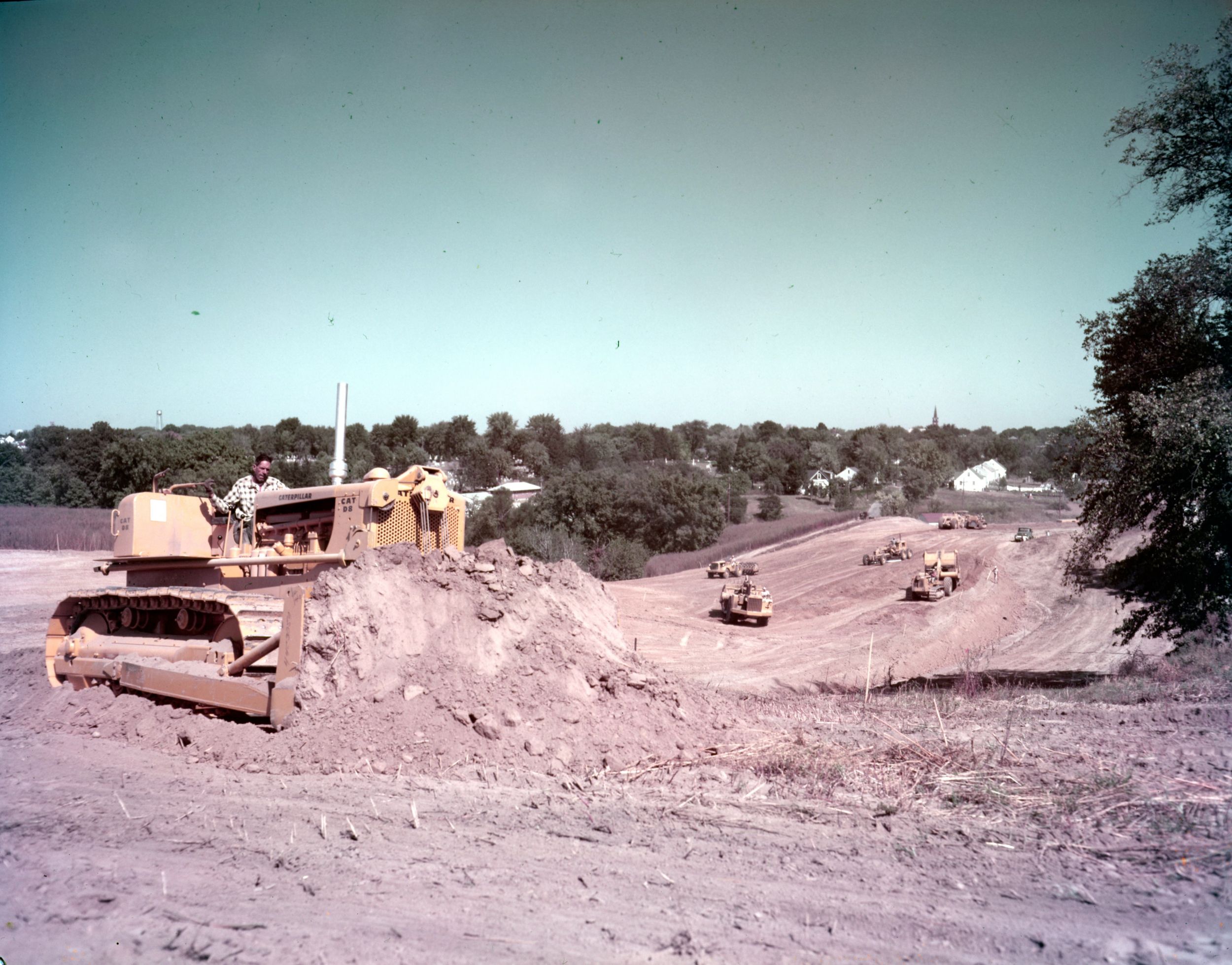
Ours is a company founded and built on breakthroughs. The Caterpillar name was born when Benjamin Holt replaced the wheels on a tractor with a pair of tracks that moved like caterpillars — and we’ve been finding creative ways to solve problems every day since. It’s not just about being leading edge. It’s about giving our customers an edge. Innovation has always been our competitive advantage. And sustainable innovation is what will drive us forward.
Want to innovate with us?

Innovation in Action
From that first tractor on tracks to the world’s first mass-produced diesel engine, we’ve always been ahead of the curve. Did you know we launched our first remote-controlled machine back in 1968? Or that we have 2.5 times more experience in autonomy than any car manufacturer? Innovation is in our DNA. It’s how we make equipment safer, cleaner and smarter — and how we make our customers’ lives easier and their businesses more profitable.
-
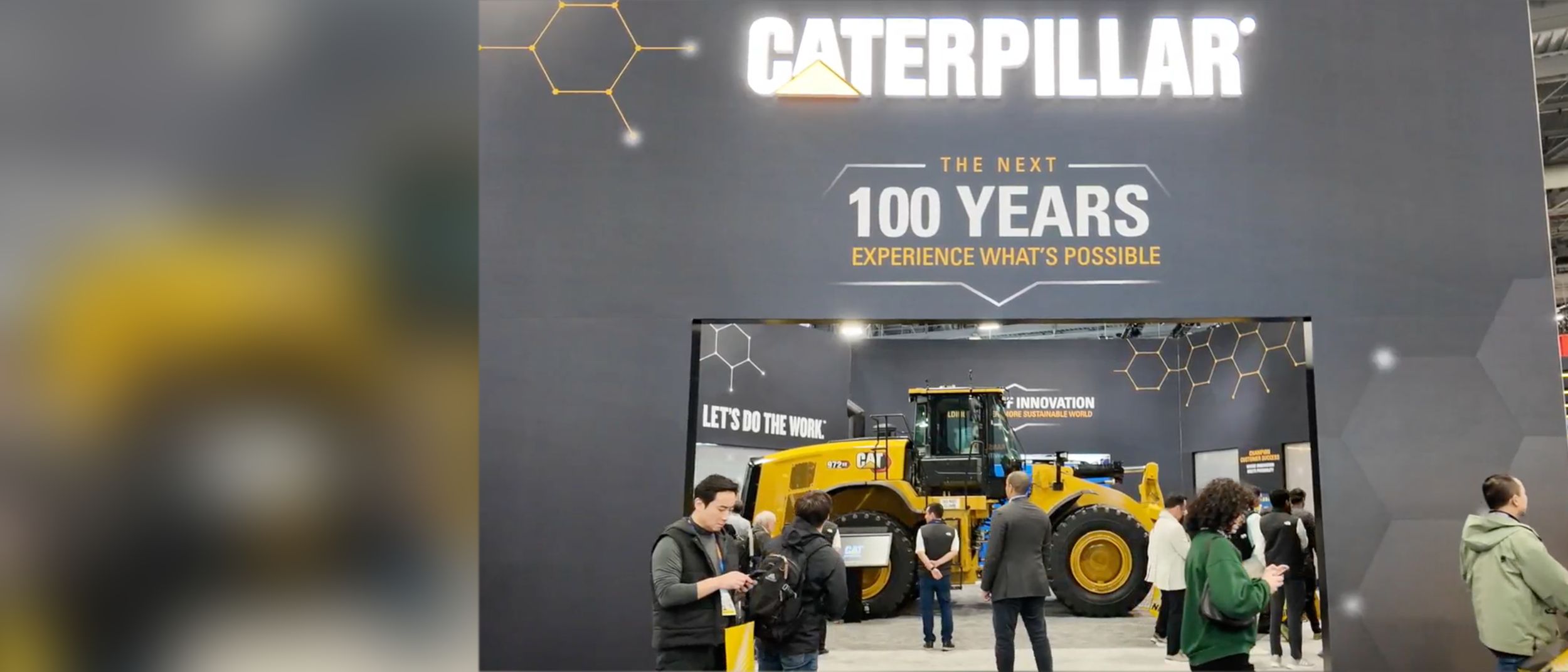
Beyond The Iron – Caterpillar at CES 2025
Innovation, automation and technology took center stage at Caterpillar’s exhibit during CES® 2025 in Las Vegas, Nevada.
Learn More Podcast -
The Future of AI at Caterpillar
The latest on how we’re using artificial intelligence (AI) to help create customer and enterprise business solutions.
Learn More Products -
Connectivity is Key to Customer Support
Harnessing the next wave of connectivity technologies to build smarter solutions.
Full Story Services -
4 Ways We’re Transforming Equipment Operations
Caterpillar engineers are giving operators the tools they need to succeed.
Full Story Innovation -
Mining the Future: Caterpillar’s Holistic Energy Transition Approach
How the transformation will impact people, processes, infrastructure and technology.
Full Story -
Caterpillar Contribution Helps Open Doors to Women’s Entrepreneurship Centers in Africa
Learn More
How We Innovate

Connectivity
Electrification
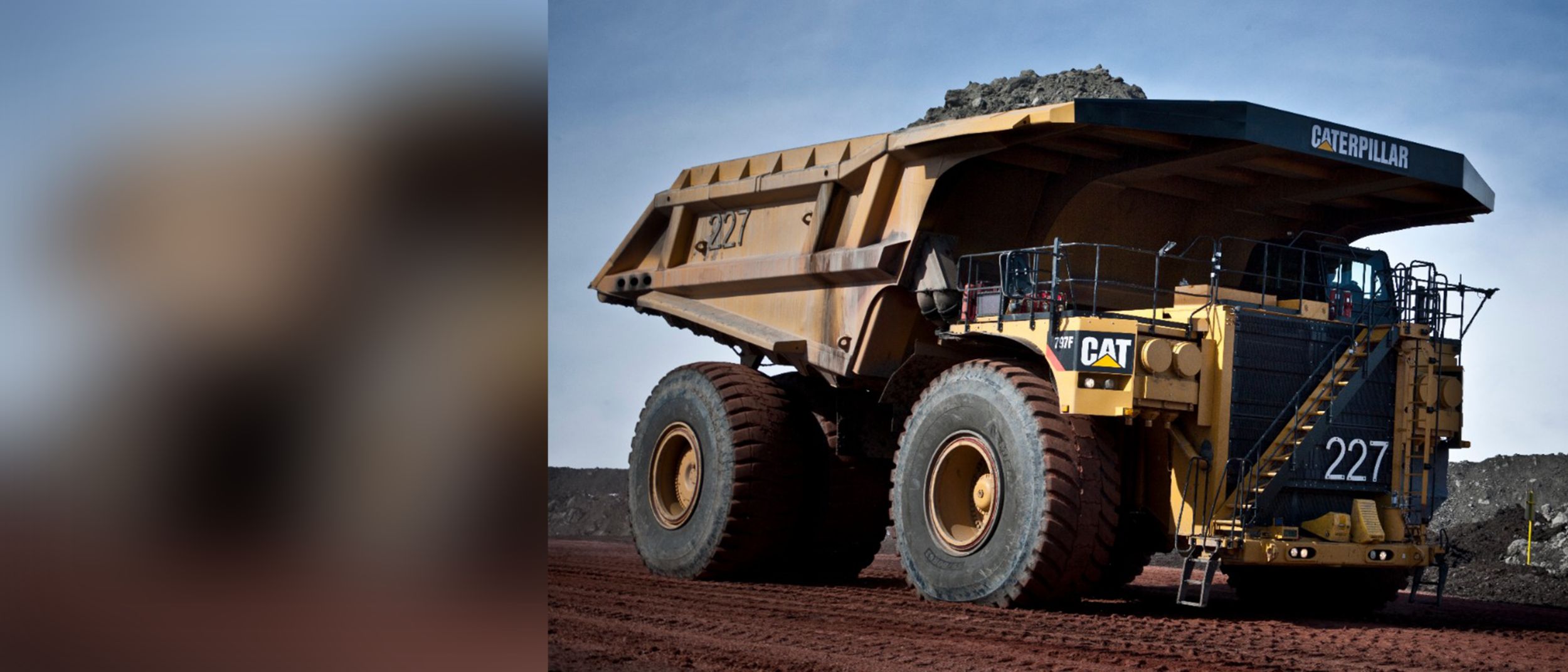
Alternative Fuels

Digital
Enabling Technologies
Autonomy
Connectivity
Onboard hardware and software solutions that empowers and enables users to monitor and improve multiple aspects of heavy-equipment operation, including performance, efficiency, and safety.
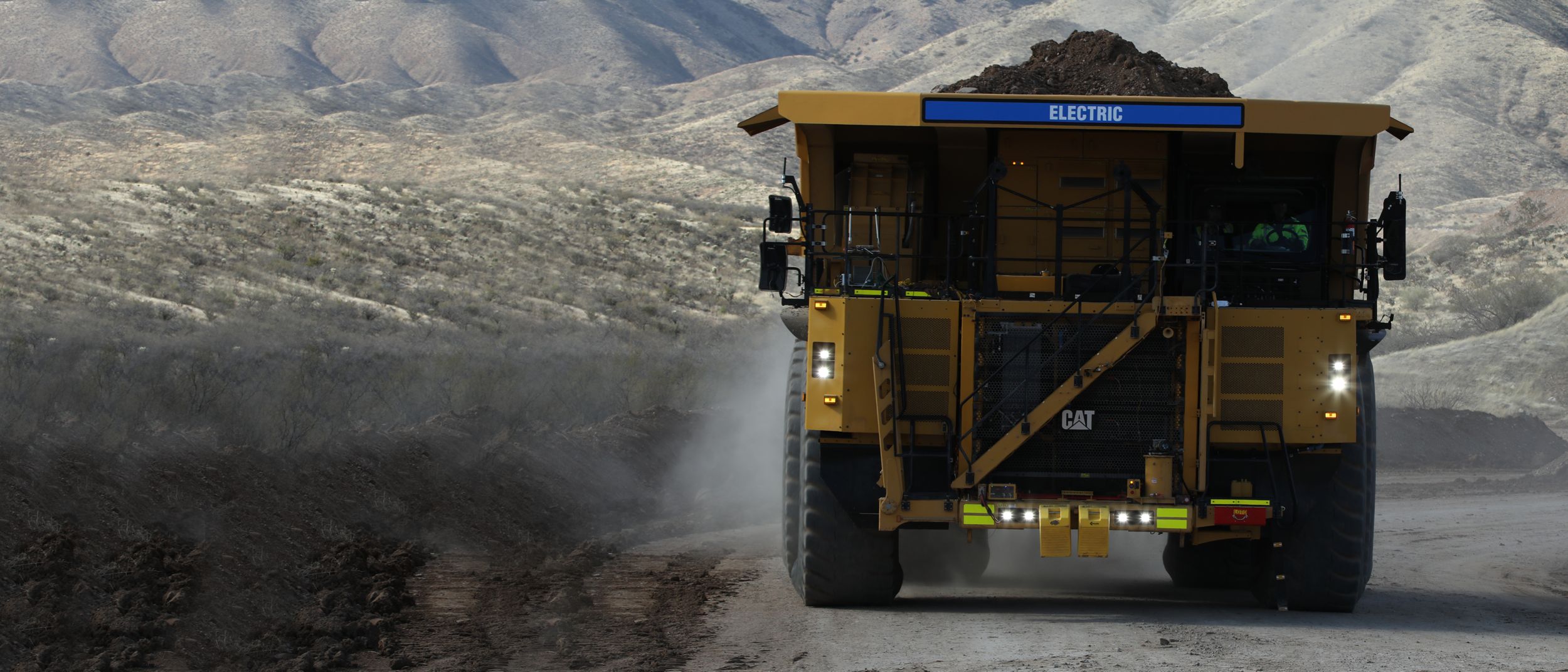
Learn More on Cat.comElectrification
In the pursuit of lower owning and operating costs, higher productivity, and lower emissions, we provide options-based electrified products and solutions for our customers.
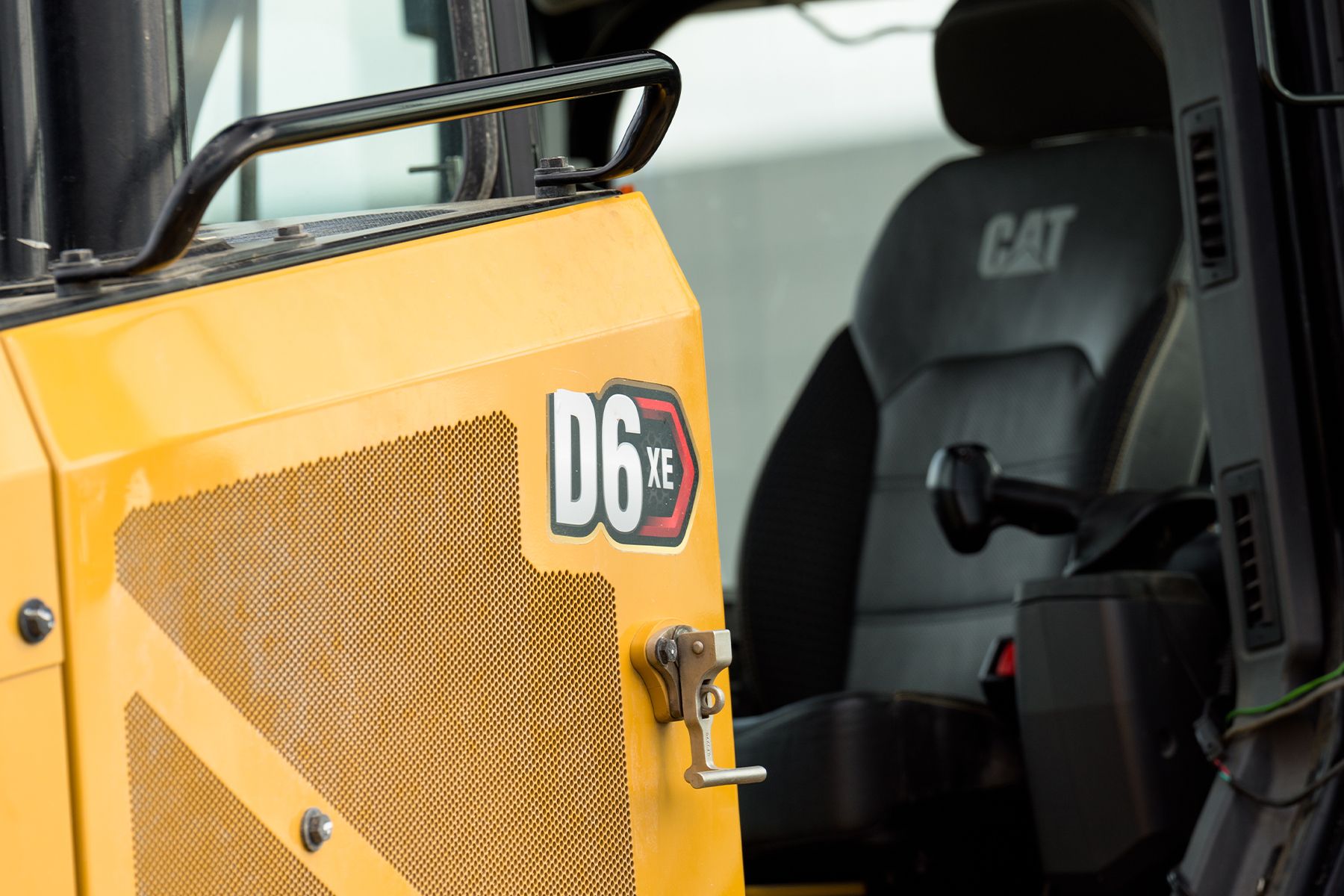
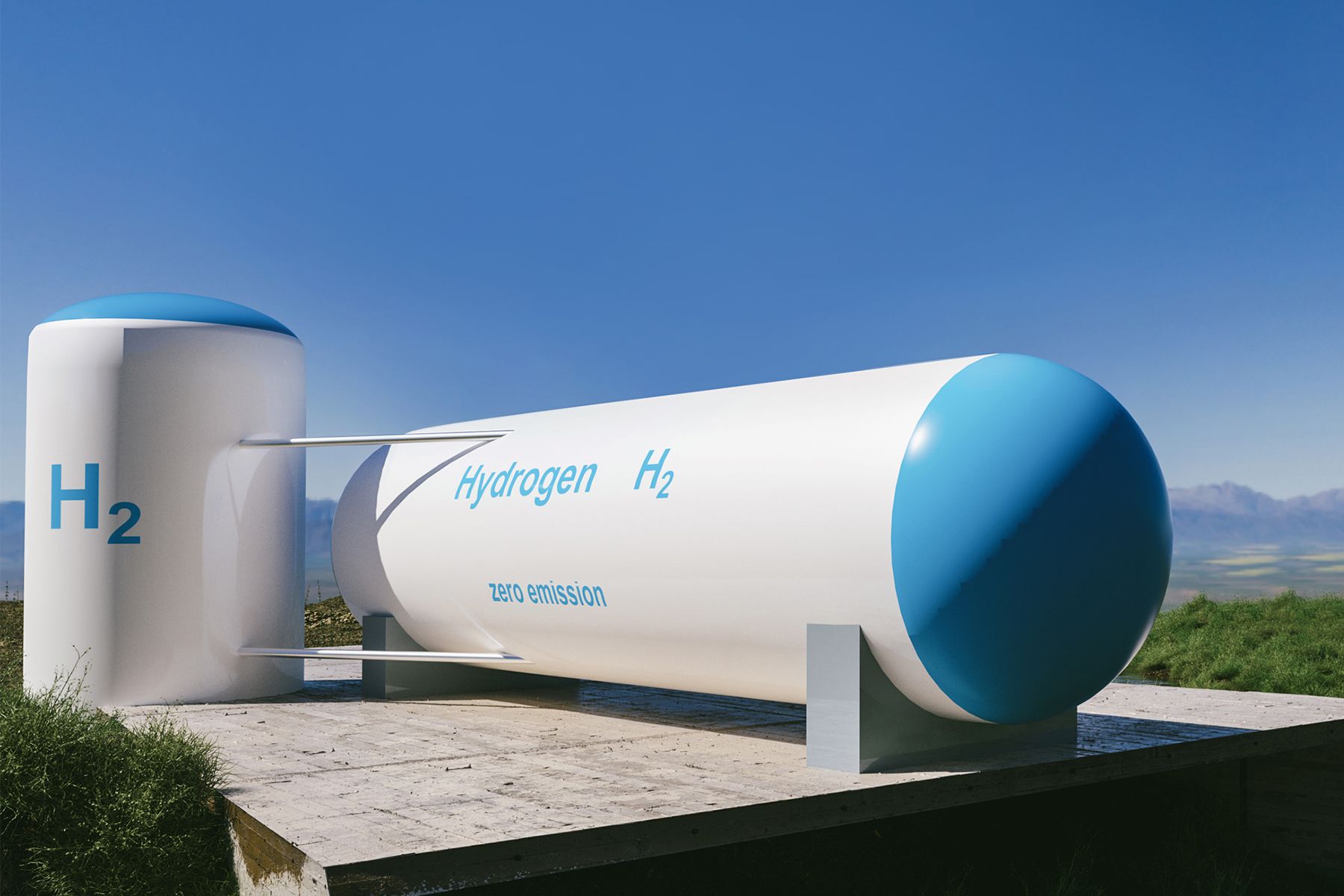
Learn More on Cat.comAlternative Fuels
Renewable, non-conventional, non-fossil fuels are used as the fuel source or blended with fossil fuels to help our customers meet their sustainability goals and reduce emissions.
Learn More on Cat.comDigital
Offboard applications and systems support improved machine insights that provide customers with digital solutions that work.
Learn More on Cat.comEnabling Technologies
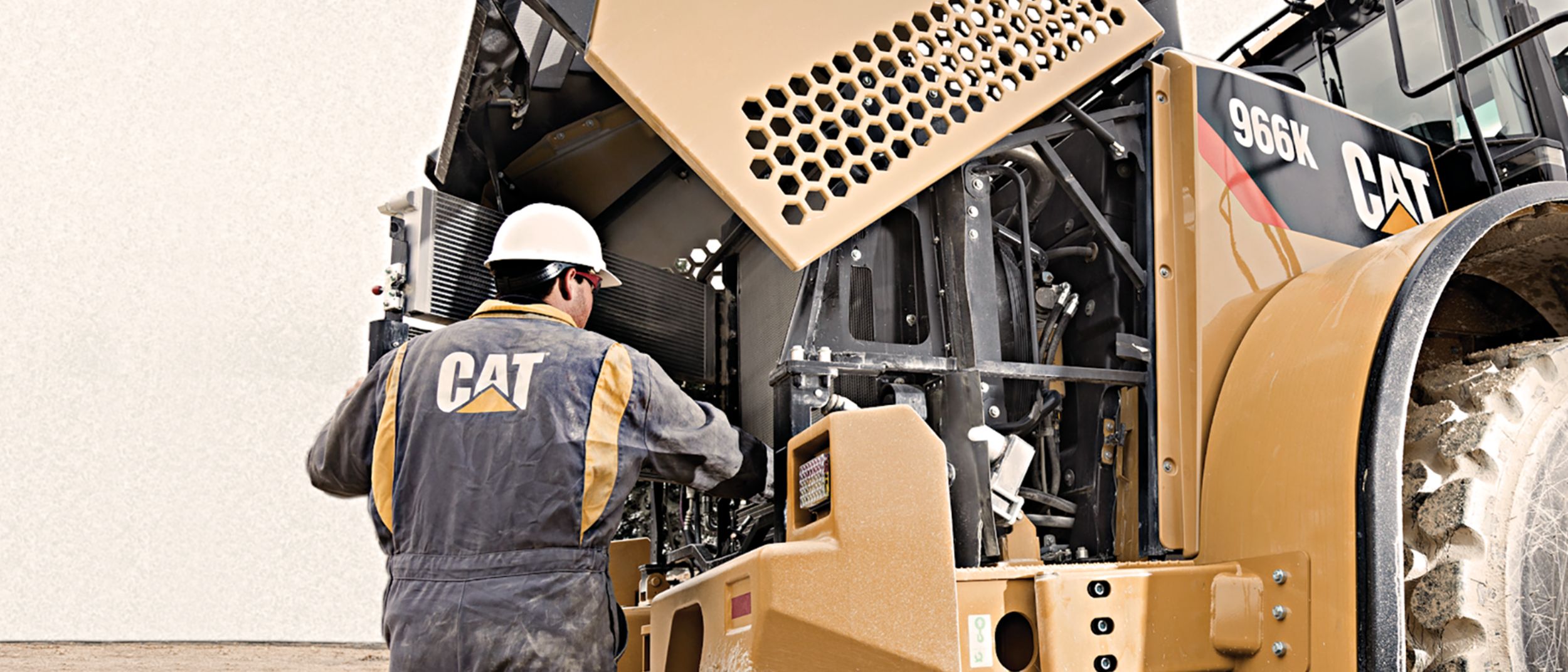
Our commitment to supporting our customers doesn’t end after a machine sale is made—they’re just the beginning. From quality component designs, to integrated machine systems and supply chain logistics, these technologies help our customer drive efficiency and cost savings throughout the entire life cycle of Caterpillar products.
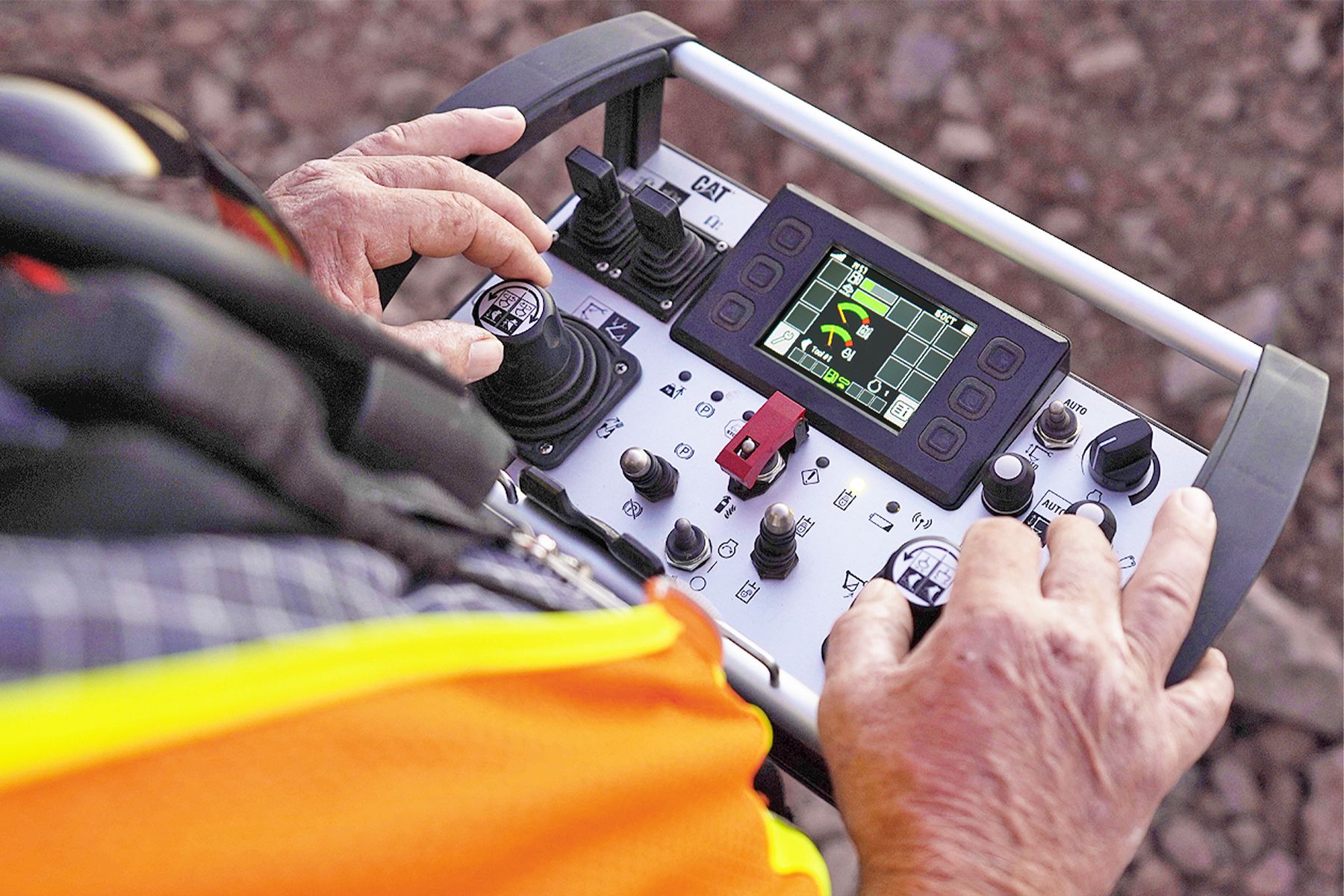
Autonomy
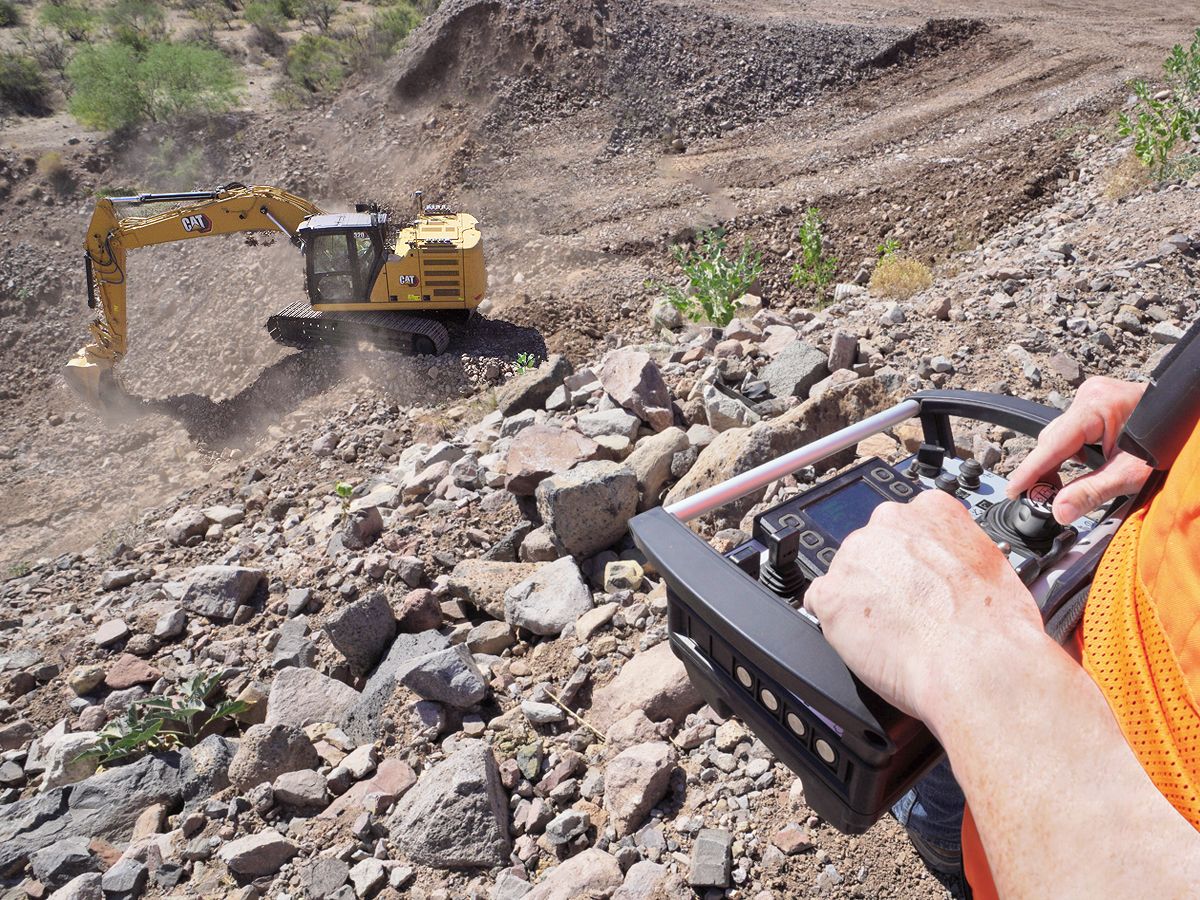
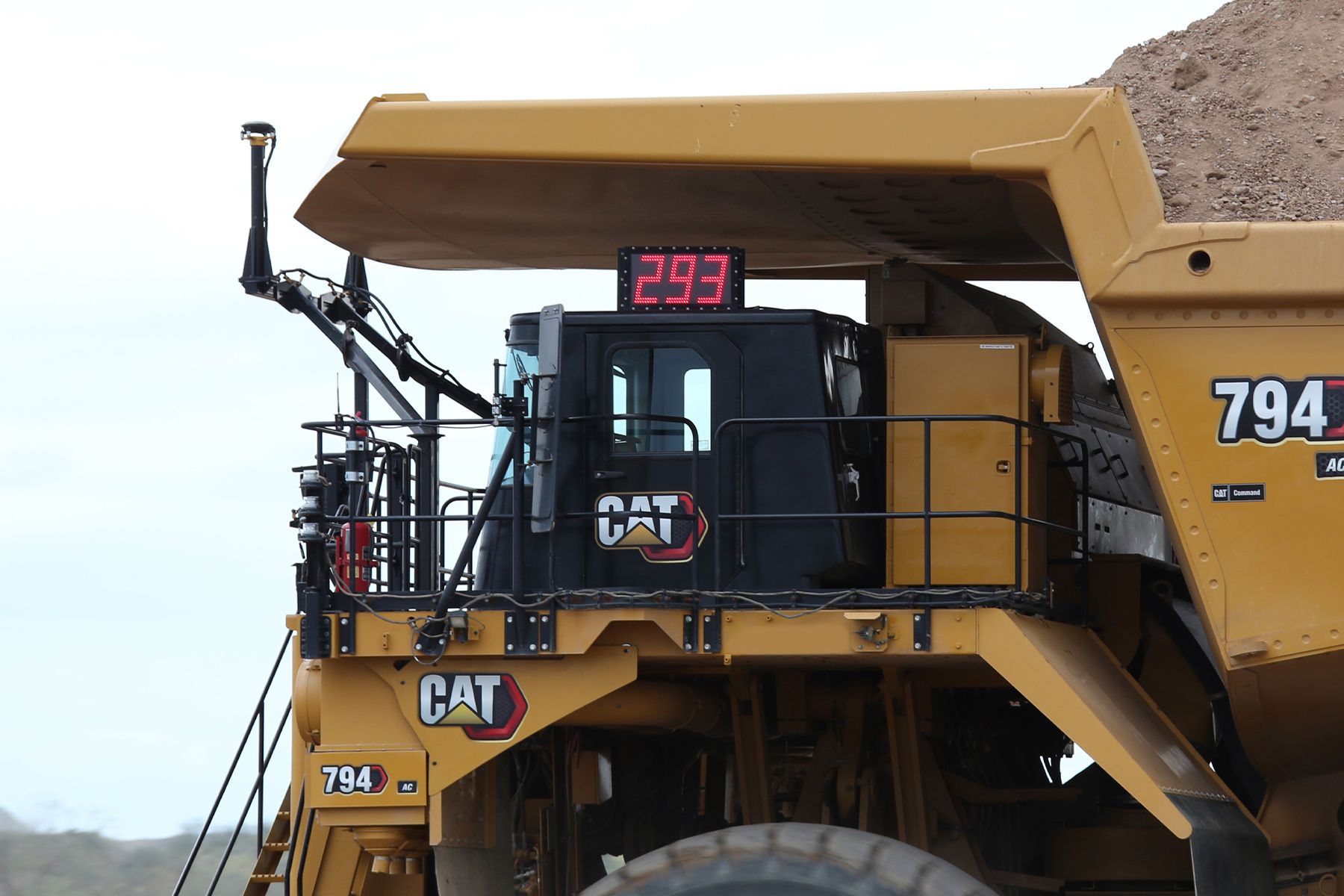
Our customers need the best solutions for running an effective job site, with improved operator productivity, lower operating costs, and autonomous solutions for greater efficiency. We focus on developing technologies in the areas of automation, remote control, and autonomy, which provide a range of features from operator assist to full autonomous operation.
Learn More on Cat.comInnovate with Us
Collaboration accelerates the pace of change. We’re proud to collaborate with industry, government and academic institutions around the world — sharing expertise and ideas as we work together to build a better, more sustainable world. Join us.
-
Sustainability
Caterpillar's sustainability efforts aim to reduce greenhouse gas emissions and help customers meet climate-related goals.
Explore Our Commitment -
Company
Learn more about Caterpillar as a company and the work we do to help our customers succeed, including our list of brands.
Explore Caterpillar -
Our History of Sustainable Innovation
Since our earliest days, we have worked to provide more sustainable equipment solutions and services to build a better world.
Explore our History